What is a long-term thematic project?
These Long-Term Thematic Programs are an initiative of the AEB cluster, which was established in December 2017 within the MUSE Foundation. The AEB cluster was established as an intermediate structure of the University of Montpellier when the university was created as an experimental public institution in 2022.
It serves as a forum for fostering synergy among research and scientific consultation bodies to develop joint initiatives among I-Site members.
The four PTLs all aim to address the challenges posed by global change by employing interdisciplinary approaches and collaborations to strengthen the resilience of ecosystems and societies.
PTL 1 – Plant Adaptation to Global Changes
Coordination : Stéphane Mari and Thomas Kroj
The goal of PTL1 is to study how plants respond to multiple environmental stresses using a multiscale approach, from the molecular to the ecosystem level. To achieve this, we must gain a thorough understanding of the mechanisms by which plants adapt to climate and environmental changes, as a lack of knowledge about plant responses is a major obstacle to improving the resilience of agrosystems.
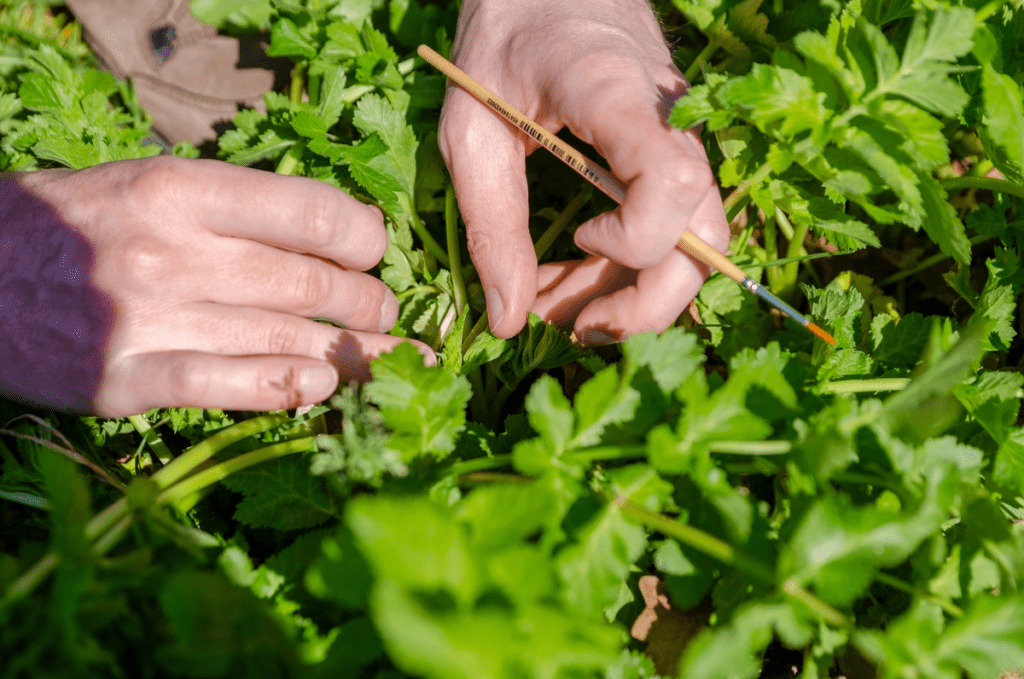
An integrated approach will be used, combining molecular biology, physiology, genetics, and modeling to analyze plant responses to combinations of abiotic and biotic stresses. The goal is to develop a holistic understanding of the plant within its biotic and abiotic environment, thereby identifying strategies for sustainable agriculture adapted to global changes.
PTL2 – Agroecology and Food Systems
Coordinators: Philippe Hinsinger and Sylvie Avallone
The goal of PTL2 is to support the agroecological transition and the establishment of healthy and sustainable food systems. The challenge is to promote interdisciplinary and cross-sect
al research that integrates all environmental, economic, and social dimensions of agri-food systems to improve their resilience and reduce impacts on overall health (human, animal, and ecosystems, including soils and plants).
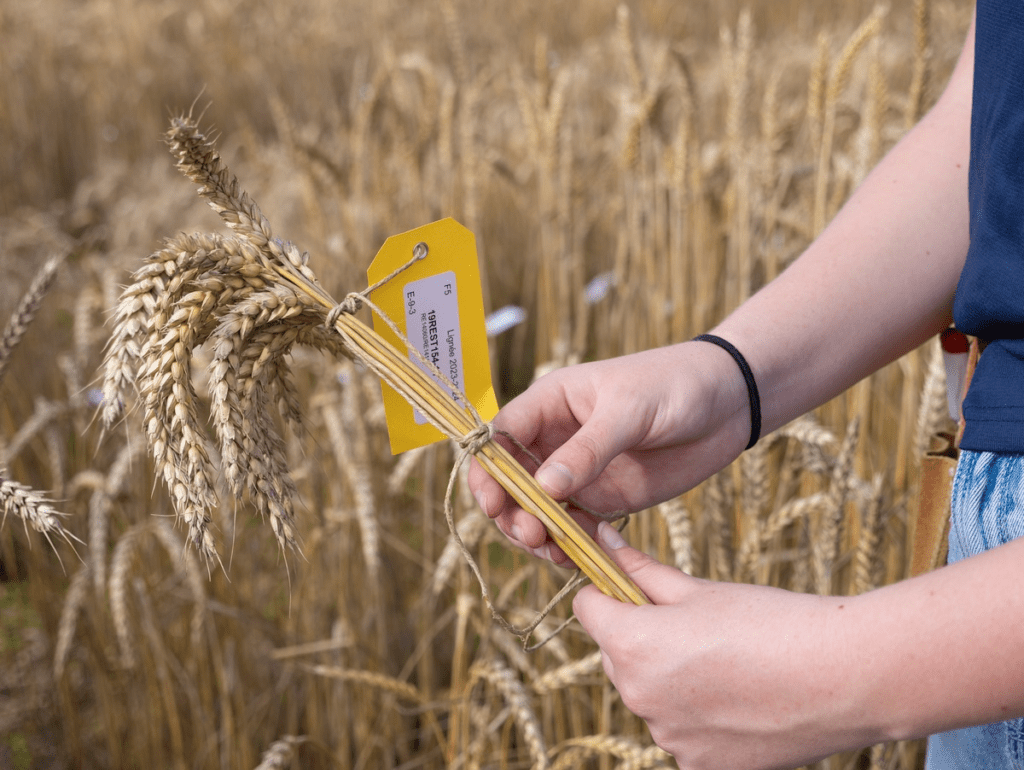
PTL2 will support two foundational projects aimed at fostering interdisciplinarity and cross-sectoral collaboration in diverse regions (around Montpellier and in sub-Saharan Africa). It will also support approximately twenty interdisciplinary exploratory projects, including those at the interfaces with the other PTLs within the AEB Cluster. Through its various projects and outreach/training activities, PTL2 will focus on building the scientific community—with a particular emphasis on engaging young scientists—to foster innovation in the fields of agroecology and food systems, while strengthening the links between agriculture, food, human nutrition, and global health.
PTL3 – Biodiversity, Ecology, and Evolution
Coordination : Cyrille Violle
The goal of PTL3 is to understand the ecological and evolutionary processes underlying biodiversity dynamics in response to environmental changes, as well as the consequences for ecosystem functioning and human well-being. To achieve this, the project aims to explore the interactions between biodiversity, the environment, and health; analyze the impact of human activities on biodiversity; and propose solutions to reconcile conservation with human activities.
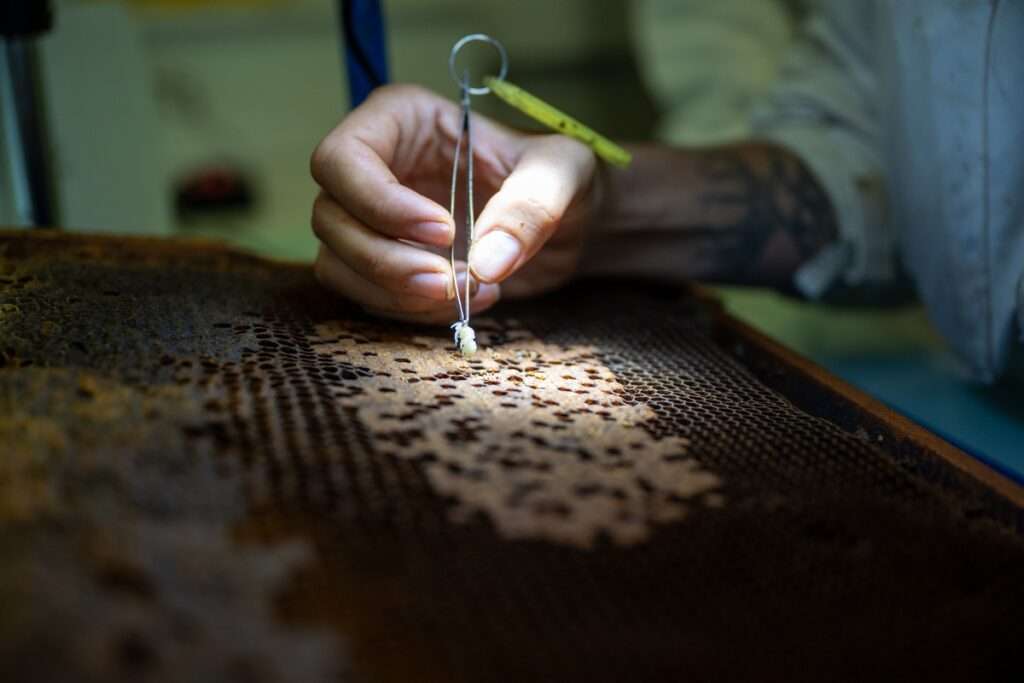
An interdisciplinary approach will be implemented, combining functional and evolutionary ecology, the development of innovative tools (bioinformatics, AI, remote sensing), and citizen science. A unique feature of the
PTL3 encompasses a wide range of study objects and scales: from natural ecosystems to socio-ecosystems (including agroecosystems and urban ecosystems), from the Petri dish to the globe, including the landscape. The expected outcomes include scientific advances in understanding biodiversity’s response to global changes, the development of a foundation for nature-based solutions, and a significant contribution to the agroecological transition and environmental public policy.
PTL4 – Georesources, Risks, and Societies
Coordination : Olivier Barreteau & Bénédicte Cenki
The objective of PTL4 is to understand the interdependencies between georesources (water, soil, minerals), risks, and society in the context of global change. The goal is to explore the consequences of these interactions to ensure more resilient land management. To this end, the PTL will facilitate the development of knowledge about the complex processes that shape the evolution of risks, resources, and societies through a holistic approach.
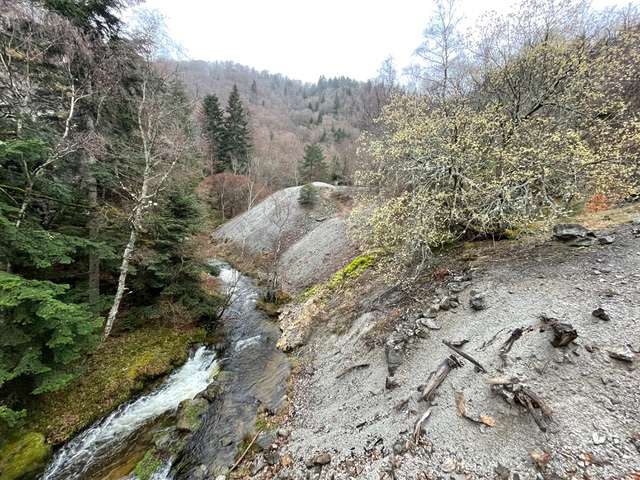
We will need to revisit our analyses of resource cycles under the constraints of climate change and societal adaptations by incorporating their interactions; deepen our understanding of how societies adapt to global changes; improve monitoring capabilities to support informed decision-making; and develop methods for combining models to design robust and equitable governance pathways.